
A Foot Warmer might seem pretty straightforward at first glance, but honestly, when it comes to buying these things on a global scale, things are rarely that simple. Buyers need to consider so much—like how well it heats, safety for users, the materials used, packaging, certifications, and even after-sales support. Just cuz a product feels warm doesn’t mean it’s perfect. Sometimes, it can fail because the cable’s too short, the controller feels cheap, or the plug isn’t compatible with the local outlets.
Lots of industry research supports this wider perspective, too. Reports from Grand View Research and Fortune Business Insights show that the market for electric bedding and personal warming products is still growing—thanks to colder climates, consumers who wanna save energy, and the boom in online shopping. But those reports often lump Foot Warmers in with blankets, heated pads, or heated clothing. The thing is, they’re not exactly the same. So, you really shouldn’t take broad stats as a crystal ball for actual demand.
Safety’s also a big deal here. For example, the IEC 60335-2-17 standard covers household electric blankets and similar flexible heating devices, though regional rules can vary. UL Solutions, meanwhile, says it’s crucial to check electrical components, overheat protection, proper labeling, and build quality. And don’t just trust what a supplier’s brochure says—make sure you see current testing documents to back up any claims of compliance.
To help you out, I’ve put together 10 practical tips for buying foot warmers. They cover important stuff like which areas the device heats, how easy it is to control the temperature, how durable the fabric is, options for batteries, energy use, packaging, certifications, sampling the product, and assessing the reliability of suppliers. Even small details matter — a sample might work great for a few minutes but fall apart after repeated folding or washing. No checklist is foolproof, but sticking to a thorough review can help you avoid returns, keep users safe, and make smarter choices when sourcing products globally.
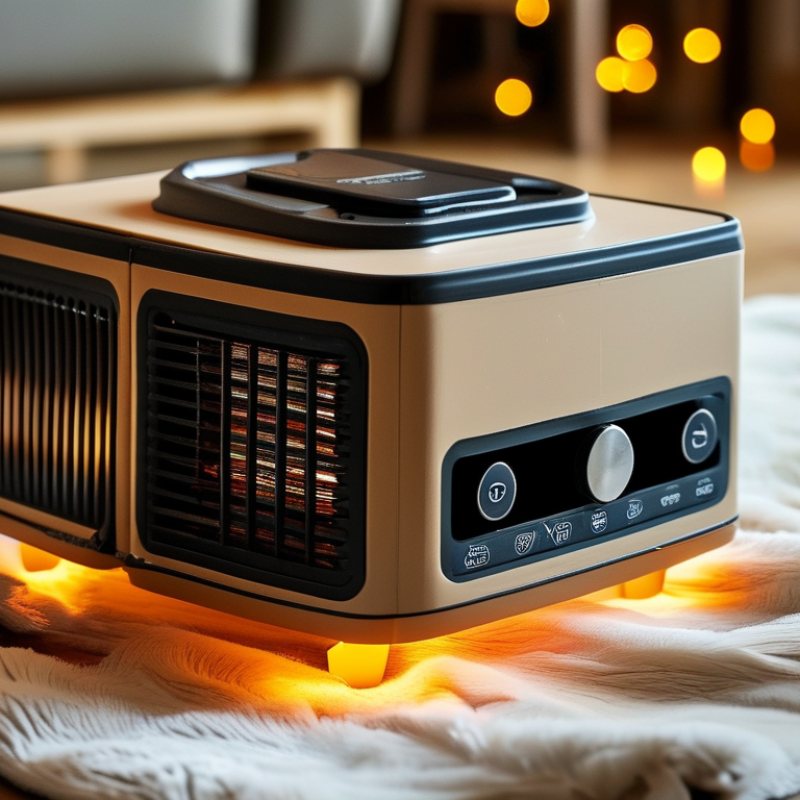
Before choosing a foot warmer, define the real use case. Will it serve a desk, bedroom, outdoor stall, or warehouse office? A desk user may need gentle heat for eight hours, while a traveler may value portability and a rechargeable battery. Record foot size, sock thickness, room temperature, cleaning conditions, and expected daily use. Small details change the specification.
The World Health Organization’s Housing and Health Guidelines identify 18°C as a commonly protective indoor temperature for general populations. However, a foot warmer should supplement room heating, not replace it. The International Energy Agency’s Energy Efficiency 2023 report states that buildings consumed about 30% of global final energy in 2022. Localized heating can reduce unnecessary warmth around an individual, but actual savings depend on insulation, operating time, and electricity sources. The result is not automatic.
Check temperature control, surface materials, cord length, washable sections, and automatic shutoff. IEC 60335-2-81 covers safety requirements for household foot warmers and heating mats. Ask suppliers for test evidence, not only attractive specifications. A useful target is stable warmth without hot spots. That sounds simple. It is not.
For users with reduced heat sensitivity, children, or poor circulation, conservative settings matter. Avoid choosing only by maximum temperature. I once underestimated how quickly thick socks trapped heat; the warmer felt comfortable at first, then became excessive. Buyers should test the lowest effective setting and review instructions in the destination language. Multi-voltage requirements also deserve attention when products cross borders.
When choosing a Foot Warmer For Feet, compare how heat is produced, not just advertised temperature. Electric resistance elements usually warm steadily through the sole and toe area. Infrared designs may feel quicker, but comfort depends on distance and lining. Microwavable inserts provide gentle warmth without cords, yet their heat fades unevenly. I have found that cold rooms expose weak designs quickly. Check whether the product warms both sides of the foot. One heated panel can leave your instep cold.
Temperature control should match use. A low setting suits desk work lasting several hours. Medium heat works better after outdoor exposure, while high heat should be brief. Look for clear controls and measured ranges, such as 35–55°C, rather than vague claims. Feet differ in sensitivity, and thick socks can hide excessive warmth. Test gradually. A timer matters when reading or sleeping nearby, although I once treated automatic shutoff as a substitute for supervision. That was careless. Cables should allow natural movement without pulling the warmer from under your feet.
Heat coverage is equally important. A compact warmer may cover toes only, while a wider pocket can surround the heel, sole, and upper foot. For two people, confirm whether the listed size means one chamber or a pair. Place your feet inside before judging warmth; air gaps reduce heat transfer. If the floor is tiled, insulation beneath the unit can improve comfort. Manufacturers should provide temperature test conditions, material details, and cleaning instructions. Without those details, comparisons become guesswork, even when the controls look convincing.
| Buying Tip | Foot Warmer Type | Heating Method | Typical Temperature Settings | Typical Heat Coverage | Typical Power or Energy Source | Main Advantages | Important Considerations for Global Buyers |
|---|---|---|---|---|---|---|---|
| 1. Match the product to the required coverage | Electric foot mat | Resistive heating elements warm the surface directly. | Usually 2–6 levels; commonly approximately 30–60°C at the heating surface, depending on the model and ambient conditions. | Top or bottom of both feet; generally open and limited to the mat area. | Commonly 30–100 W from mains power. | Simple design, quick setup, and useful under a desk or in an office. | Check the mat dimensions, surface material, insulation, and whether the controller is suitable for the destination voltage. |
| 2. Choose enclosed coverage for colder environments | Enclosed electric foot warmer | Resistive heating elements warm an insulated foot pocket or lining. | Usually 2–6 levels; often designed for low, medium, and high comfort settings rather than a precise body-temperature setting. | Both feet, including the soles and surrounding sides; some designs also warm part of the ankles. | Commonly 30–100 W from mains power. | Retains warmth better than an open mat and is suitable for seated indoor use. | Look for a removable, washable liner and sufficient internal space for the intended footwear size range. |
| 3. Consider water-free warmth for portable use | Battery-powered heated foot warmer | Low-voltage resistive heating elements powered by a rechargeable battery. | Often 2–4 settings; actual surface temperature varies with battery level, insulation, and outdoor temperature. | Usually the sole, toe area, or both feet depending on the product design. | Rechargeable lithium-ion battery packs are common; runtime varies widely by heat level and battery capacity. | Portable and suitable for travel, outdoor events, and locations without a nearby outlet. | Verify battery transport rules, charging connector type, replacement-battery availability, and charging voltage compatibility. |
| 4. Select gentle warmth for long sitting periods | Low-temperature heated foot cushion | Flexible resistive heating element integrated into a padded cushion. | Commonly 2–3 settings, with low settings intended for extended comfort. | Usually warms the soles and lower sides of the feet; coverage is smaller than an enclosed pocket. | Typically 20–60 W from mains power or a low-voltage adapter. | Soft, quiet, and comfortable for reading, working, or relaxing. | Check whether the cushion can be machine washed and whether the heating module must be removed first. |
| 5. Compare infrared claims carefully | Infrared-heated foot pad or cabin | Electric heating elements emit infrared radiation while also transferring heat by conduction and convection. | Usually controlled by low, medium, and high settings; product temperature depends on design and insulation. | Localized coverage around the feet; larger heated areas require a larger pad or enclosed structure. | Commonly powered by mains electricity, with wattage varying by size. | Can provide direct radiant warmth and may heat nearby surfaces as well as the feet. | Do not assume infrared products heat the whole body. Evaluate measured temperature, heated area, controls, and safety certifications instead of marketing language alone. |
| 6. Prioritize adjustable control | Multi-level electronic foot warmer | Resistive heating controlled by a thermostat, timer, or electronic power controller. | Commonly 3–8 levels; some models provide a timer with automatic shut-off after a preset period. | Depends on the physical design; enclosed models generally provide more even coverage than open mats. | Usually mains powered; low-voltage versions are also available. | Allows users to adapt warmth to room temperature, socks, footwear, and personal comfort. | Confirm whether displayed settings represent temperature, power levels, or heat modes. A timer and overheat protection are valuable safety features. |
| 7. Check heating uniformity | Full-foot heated insole or heated slipper | Thin resistive heating elements embedded below or near the footbed. | Often 2–4 settings; heat may be concentrated around the toes or forefoot to preserve battery life. | Inside individual shoes or slippers; usually narrower than a household foot warmer. | Rechargeable or replaceable batteries, depending on the design. | Works while walking or standing and can fit into cold-weather footwear. | Check insole thickness, footwear compatibility, moisture resistance, washing instructions, and whether the heating elements restrict flexibility. |
| 8. Review safety features before price | Thermostat-controlled electric foot warmer | Resistive heating with temperature sensing and automatic regulation. | Usually several user-selectable levels with automatic temperature limiting. | Varies from a small sole zone to a complete enclosed foot compartment. | Commonly mains powered or supplied through an external low-voltage adapter. | More consistent heat and reduced risk of excessive temperature during normal use. | Look for overheat protection, automatic shut-off, insulated wiring, strain relief, and clear operating instructions in the target market language. |
| 9. Adapt the product to regional electrical standards | International-market mains foot warmer | Standard electric resistance heating. | Usually 2–6 heat levels, with control behavior depending on the thermostat and electronics. | Open mat, enclosed pocket, or cushion coverage depending on the product format. | May support a single voltage, dual voltage, or an external adapter. Common household systems include approximately 100–127 V and 220–240 V regions. | Suitable for stationary home, office, and hospitality use when correctly matched to local power systems. | Confirm rated voltage, frequency, plug type, detachable controller requirements, and applicable electrical compliance marks before import or resale. |
| 10. Balance comfort, durability, and maintenance | Washable fabric foot warmer | Resistive heating element covered by textile, fleece, or synthetic insulation. | Usually 3–6 settings; the perceived warmth depends heavily on fabric thickness and foot placement. | Typically both feet in an enclosed pocket, with additional warmth around the upper foot. | Commonly 30–100 W from mains power. | Comfortable textile construction and improved hygiene when the liner or cover is removable and washable. | Confirm washing temperature, drying method, waterproofing limitations, seam quality, controller durability, and warranty or spare-part support. |
Note: Temperature ranges, wattage, heating coverage, battery runtime, and control levels are typical market ranges rather than universal specifications. Actual performance depends on product construction, ambient temperature, insulation, user footwear, and local electrical conditions. Heated products should be used according to the manufacturer’s instructions and should not be used while wet or unattended unless specifically designed for that purpose.
A Warmer Foot device should provide comfort without creating a hidden electrical risk. Global buyers need to check the rated voltage, frequency, and plug type before ordering. A model designed for 120 volts may not operate safely on a 230-volt supply. Universal adapters do not always solve this problem. Read the instruction label, not only the product description.
Look for recognized safety certifications required in your destination market. Marks such as CE, UKCA, or UL-related certification may apply differently by region. Verify the certificate details when possible, because a printed symbol alone proves little. Check for overheat protection, automatic shutoff, insulated wiring, and a fuse or thermal cutoff. These features matter near bedding, carpets, and clothing. Keep the controller dry.
Buying tip: Ask the supplier for test reports, certification numbers, and clear electrical specifications. Confirm whether the product uses low-voltage heating or direct mains power. Low-voltage designs may offer an extra protection layer, but they still need proper testing. I once underestimated the importance of cable strain relief; repeated bending can damage internal wires. That detail deserves attention.
Inspect the warmer before each use. Do not use it if the cord feels stiff, the plug becomes hot, or the fabric shows scorch marks. Never fold a heated foot warmer tightly while powered. Some instructions are unclear. That is a warning sign. Choose transparent documentation over attractive packaging.
Cold feet can ruin a morning commute, winter hike, or long work shift. Choosing the right foot warmer starts with accurate sizing, not appearance. Measure your foot while wearing the socks you normally use. An oversized warmer may slide under your toes, while a tight model can restrict movement and create pressure points.
Check the materials carefully. A soft fleece lining feels warm against bare skin, but it may hold moisture during extended use. Breathable fabric and moisture-resistant layers usually feel more comfortable over several hours. For an Insole Foot Warmer, compare its shape with your shoe’s insole. Some designs need trimming, while others may reduce space inside narrow footwear. That small detail is easy to miss.
Comfort features matter during real use. Look for flexible construction, smooth edges, and even heat distribution. A rigid warmer can feel uncomfortable when climbing stairs or standing on hard floors. Adjustable temperature settings offer better control, especially indoors. I once chose warmth over flexibility and regretted it after a long walk. The warmest option is not always the most practical. Check cleaning instructions, storage requirements, and operating time before buying. User reviews can reveal problems that product photos hide, but reviews are not perfect evidence. A warmer that suits one person may feel too hot, bulky, or loose for another.
Before buying a foot warmer, check its voltage rating on the product label or technical sheet. Common household supplies range from 110–120V to 220–240V, but countries may differ. A warmer designed for 120V can fail on a 230V outlet. It may also create a serious overheating risk. Check the frequency too, especially when the appliance uses electronic temperature controls. Local electrical guidance is more reliable than a marketplace description.
Tips: Match the plug shape, voltage, frequency, and grounding requirements. A plug adapter only changes the pin shape. It does not convert voltage. Buyers should confirm whether the warmer has a two-pin or grounded three-pin plug. The socket must hold the plug firmly, without looseness or visible sparking. Small details matter.
In practical product checks, I would compare the rating label with the destination country’s outlet standard before placing an order. A universal adapter can be useful, but it is not automatically safe for high-wattage heating products.
Check the wattage, cable condition, and certification information from a qualified testing authority. Some listings provide incomplete specifications. That is a warning sign.
I have seen buyers focus on soft fabric and miss electrical compatibility. That mistake is easy to repeat. If the details remain unclear, ask a qualified electrician or the seller for written confirmation before use.
For global buyers, energy use starts with the product label, not a sales claim. Check rated wattage, timer settings, heat levels, and standby consumption. A 100-watt warmer may cost more than expected in regions with high electricity prices. Ask for test data under normal operating conditions. Small details matter. Confirm voltage, frequency, plug type, and required adapters before placing a bulk order. A Private Label Foot Warmer For Feet should fit the target market’s electrical requirements without improvised modifications.
Durability deserves hands-on questions. Request samples and inspect stitching, heating wires, controllers, and washable covers. Run a sample through repeated heat cycles. Look for hot spots, loose seams, or a cord that bends sharply near the entry point. Material softness can hide weak construction. Ask how many cycles the supplier uses for internal testing. Their answer may be incomplete, but hesitation is useful evidence.
A useful warranty states coverage period, exclusions, claim evidence, replacement process, and response time. Do not accept “quality guaranteed” as a complete policy. For private-label orders, confirm whether packaging, manuals, and replacement parts can match your market. Keep written records of inspection results and agreed tolerances. Supplier support should include technical files, spare-unit planning, and clear escalation contacts. Test communication before commitment by sending a detailed fault scenario. A slow or vague reply can become expensive after shipment. No checklist catches everything. Recheck assumptions after receiving the first production batch.
: Consider where you will use it: a desk, bedroom, outdoor stall, or warehouse office. Measure foot size, sock thickness, room temperature, and daily usage time. Long desk use may need gentle, stable warmth. Travel use may need compact storage and rechargeable power. Small details change the right specification.
No. It should supplement normal indoor heating. A commonly protective indoor temperature is around 18°C. Localized heating may reduce unnecessary warmth around one person. Actual savings depend on insulation, usage time, and electricity sources. The result is not automatic.
Choose adjustable heat levels, stable temperature, and automatic shutoff. Look for washable sections and surfaces without obvious hot spots. Do not select only by maximum temperature. The lowest effective setting is usually a better starting point. That sounds simple.
Children and people with reduced heat sensitivity need conservative settings. People with poor circulation should follow medical advice before use. Thick socks can trap heat quickly. I once underestimated that effect. Comfort can change into excessive warmth.
Compare the product label with the destination voltage and frequency. Common supplies include 110–120V and 220–240V systems. A product designed for 120V may overheat on a 230V outlet. Check the plug shape, grounding, wattage, and cable condition. A plug adapter changes pin shape only. It does not convert voltage.
No. It may not be suitable for a high-wattage heating product. Confirm the adapter’s rating and the warmer’s power requirements. The socket should hold the plug firmly. Avoid visible sparking, looseness, or damaged cables. Ask a qualified electrician when details remain unclear.
Check rated wattage, timers, heat levels, and standby consumption. A 100-watt warmer may cost more in areas with expensive electricity. Request samples before placing a large order. Inspect stitching, heating wires, controllers, and washable covers. Test repeated heat cycles. Look for hot spots and loose seams.
A clear warranty states coverage, exclusions, evidence requirements, replacements, and response times. Ask whether manuals, packaging, and spare parts suit the target market. Request technical files and written electrical specifications. Send a detailed fault example before commitment. A vague reply is useful evidence. Recheck the first production batch.
Choosing the right Foot Warmer starts with identifying how and where it will be used, such as at home, in an office, or during travel. Buyers should compare heating methods, adjustable temperature levels, warm-up speed, and heat coverage to find a model that matches their comfort needs. Safety should also be a priority, so check for overheating protection, automatic shutoff, reliable insulation, and applicable safety certifications.
Size, soft materials, washable surfaces, and ergonomic design can greatly affect daily comfort. For international purchases, carefully verify voltage, frequency, plug type, and electrical compatibility in the destination country. It is also useful to evaluate energy consumption, construction quality, expected service life, warranty terms, and the supplier’s ability to provide clear product information and after-sales support. Considering all these factors helps global buyers select a practical, comfortable, safe, and dependable Foot Warmer for long-term use.
