Leave Your Message
0%

Picking a reliable manufacturer for Body Warmers is about way more than just comparing prices in a catalog. For buyers around the world, it’s crucial to look into how well they heat, the quality of the fabrics used, battery safety, how much they can produce, and the support they offer after you buy. Honestly, a fancy website doesn’t tell you much—what really counts is the factory’s track record.

Dr. Hannah Lee, a thermal comfort specialist, sums it up nicely: “A good Body Warmer should give you consistent warmth without causing new problems to deal with.” That’s the main principle guiding how I look at different products. When reviewing brands like ORORO, ActionHeat, Gerbing, Venture Heat, Fieldsheer, Milwaukee Tool, and others, I consider practical concerns that buyers typically have—things like the number of heating zones, adjustable temperature settings, whether it’s washable, battery life, certifications, minimum order sizes, and options to customize.

Sometimes, it’s the little things that really sway your decision. For example, a loose connector might stop the heating during an important winter trip. A stiff lining could get uncomfortable after wearing it for hours. Poor packaging might even damage the product before it ever reaches the retailer. Plus, it’s super important to check testing records and regional compliance requirements before you sign any deals. You might find a product like a Warmer Body that seems affordable at first—but the cost of replacement batteries and warranty claims can end up making it pretty expensive in the long run.

Of course, no review or ranking is perfect. Manufacturing quality can vary from batch to batch, and sometimes the info available online isn’t fully complete. That's why I think it’s important to mix technical comparisons with real-world sourcing questions. My goal here is to help distributors, retailers, and corporate buyers find dependable partners, cut down on unnecessary risks, and pick a Body Warmer that actually delivers beyond just looking good in a picture.
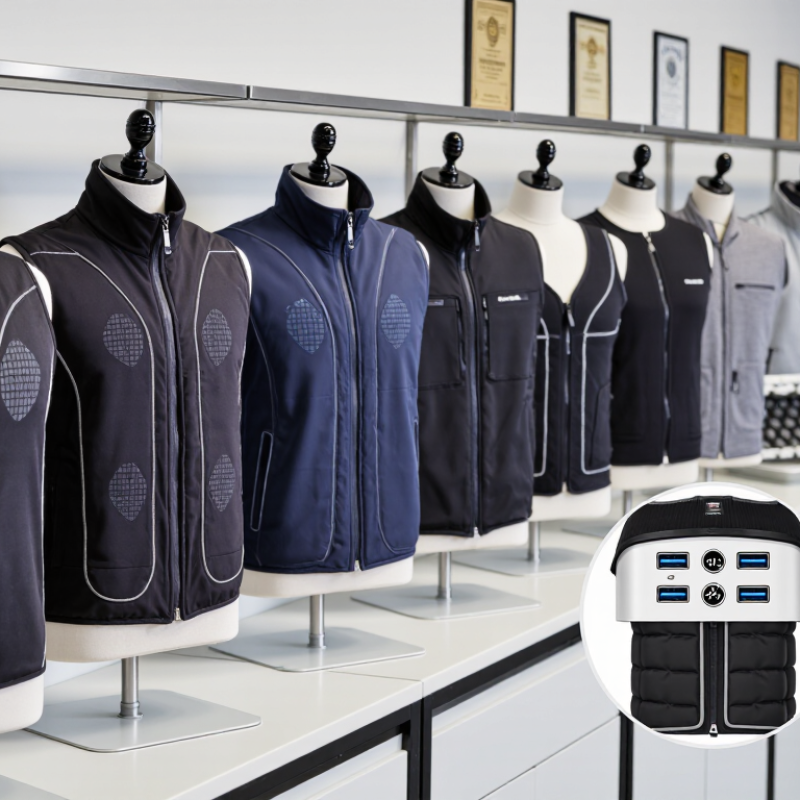
Top 10 Body Warmer Manufacturers for Global Buyers

What Is a Body Warmer and Why Does It Matter to Global Buyers?

A Body Warmer is a portable heat source worn inside clothing or placed against the body. It may use iron powder, salt solutions, or rechargeable elements. Some products warm for six hours, while others last over twelve. The real value is controlled warmth, not maximum heat.

Market data shows growing demand. Grand View Research’s recent hand-warmer analysis forecasts annual growth above 5% through the decade. Research and Markets also identifies outdoor recreation, winter logistics, and healthcare comfort as important demand areas. These figures are useful, but imperfect. Product categories overlap, and reporting methods differ. Global buyers should check the original definitions before comparing forecasts.

A buyer needs more than a warm sample. Test activation time, surface temperature, heating duration, leakage resistance, and packaging stability. ISO 13732-1 provides useful guidance for evaluating contact with hot surfaces. For rechargeable models, battery transport documents and safety testing require careful review. The EU General Product Safety Regulation, effective from December 2024, also raises documentation expectations for products sold in Europe. Small details matter. A warehouse worker may need warmth after eight hours, while a commuter may need only brief support. Weak labeling can cause misuse, even when the heating formula works well. I have seen specifications look impressive until real users opened the packet outdoors, wearing wet gloves. The category still needs better, comparable performance testing.

Key Product Types and Materials Used in Body Warmers

Top 10 Body Warmer Manufacturers for Global Buyers

Key Product Types and Materials Used in Body Warmers

Body warmers now cover several product types, not only disposable hand pads. Air-activated warmers usually contain iron powder, salt, activated carbon, vermiculite, and cellulose. Once opened, oxygen triggers oxidation and produces steady heat. A small pouch may warm hands for eight hours, depending on airflow and insulation.

Reusable gel warmers use sodium acetate solutions. They become liquid after heating and crystallize when activated. These products suit commuters who want less packaging waste, though repeated heating can reduce performance.

Electric warmers use lithium-ion batteries, carbon-fiber elements, or flexible conductive films. Heated vests often combine polyester shells, fleece linings, and insulated panels. According to Fortune Business Insights, the global heated clothing market was valued at about 1.5 billion US dollars in 2023. Its forecast growth is near 7% annually, although market definitions vary. Grand View Research also reports rising demand for portable Hand Warmers, especially in outdoor recreation and cold-weather work.

Material selection affects comfort, safety, and shipping weight. Cotton feels softer, but polyester dries faster after light rain. Metal heating elements can be durable, yet they may create stiff zones near the shoulders.

Battery models need clear runtime testing at low temperatures. This detail is often overlooked. I would not treat every market forecast as a promise. Reported figures differ because some studies include heated socks, jackets, and medical warming products. Global buyers should compare heat duration, temperature control, packaging materials, and test documentation before choosing a manufacturer.

How to Evaluate Body Warmer Manufacturers Worldwide

How to Evaluate Body Warmer Manufacturers Worldwide

Evaluating body warmer manufacturers worldwide requires more than comparing quoted prices. A reliable supplier should explain its heating method, material composition, and expected warming time. Ask for recent laboratory reports, not screenshots or vague certificates. Check whether tests match the exact product version. Samples matter. Hold one in a cold room, record activation time, and compare heat consistency after two, six, and ten hours. A warm surface is not enough. Skin-contact comfort, odor, leakage resistance, and packaging safety also deserve close attention.

During a factory review, inspect production lines, storage areas, and quality checkpoints. Look for clear batch records and trained inspection staff. Ask how defective units are isolated. The answer should be specific. Confirm production capacity during peak winter demand, but do not trust capacity figures alone. Review lead times, minimum order quantities, packaging options, and backup material sources. A polished video can hide weak controls. An on-site audit or independent inspection provides stronger evidence.

Communication reveals operational maturity. Manufacturers should respond clearly to technical questions and disclose limitations. Be cautious when every forecast sounds perfect. I have found that small inconsistencies often appear between samples and mass production. They need discussion before a contract is signed. Request written specifications, agreed inspection standards, and a practical remedy for failed batches. Cost remains important, yet the cheapest offer may create delays, returns, and reputational damage. Reliability is measured over repeated shipments, not one successful sample.

Top 10 Body Warmer Manufacturers for Global Buyers - How to Evaluate Body Warmer Manufacturers Worldwide
Rank Anonymized Manufacturer Profile Primary Manufacturing Region Main Body Warmer Category Common Heating Configuration Typical Compliance Evidence Indicative MOQ Customization Capability Export Readiness Evaluation Score
1 Profile A East Asia Rechargeable heated vests and base layers USB-powered carbon-fiber heating panels; usually 3–5 heat zones Battery transport documentation, EMC testing, RoHS evidence, care-label compliance 500–1,000 units High High 92/100
2 Profile B South Asia Battery-powered quilted jackets and outdoor vests Low-voltage flexible heating elements; detachable power-bank pocket REACH and RoHS declarations, battery test reports, needle and textile inspection records 800–1,500 units High Medium 89/100
3 Profile C East Asia Industrial heated workwear Multi-zone heating with reinforced wiring channels and replaceable battery packs Workwear durability testing, wash-cycle records, electrical safety reports, factory audit documents 300–800 units High High 87/100
4 Profile D Europe Premium heated outdoor apparel Integrated low-voltage heating with app or button-based temperature control CE-related technical documentation, textile composition records, battery and charger conformity files 200–500 units Medium High 85/100
5 Profile E North America Cold-weather work and hunting jackets Rechargeable battery systems with chest, back, and pocket heating zones North American electrical testing, product liability documentation, wash and abrasion test records 300–700 units Medium High 83/100
6 Profile F East Asia Lightweight heated liners and travel vests Thin graphene or carbon heating elements; compact USB battery interface Material composition records, EMC test reports, battery safety documents, sample inspection reports 1,000–2,000 units High High 81/100
7 Profile G South Asia Private-label heated waistcoats and padded garments Two- or three-zone heating controlled by an external battery pack Social compliance audit options, AQL inspection support, REACH and RoHS documentation 1,000–3,000 units High Medium 79/100
8 Profile H Eastern Europe Heated motorcycle and technical sports apparel Weather-resistant heating circuits with glove-compatible control buttons Garment abrasion testing, water-resistance test results, electrical safety and user-instruction files 250–600 units Medium High 77/100
9 Profile I East Asia Heated uniforms and promotional apparel Basic USB heating panels with logo-ready outer shells Textile test reports, battery declaration, labeling review, pre-shipment inspection service 1,500–5,000 units High Medium 75/100
10 Profile J Latin America Regional cold-weather jackets and work vests Simple rechargeable heating systems with limited-zone temperature control Local market electrical requirements, textile labeling records, factory quality-control procedures 500–1,500 units Medium Medium 72/100
Buyer evaluation note: The profiles are anonymized and represent comparable manufacturer capabilities rather than named companies or brands. MOQ ranges, certifications, heating layouts, lead times, and export documents should be verified through current samples, factory audits, technical files, and destination-market requirements before purchase.

Top 10 Body Warmer Manufacturers and Their Core Strengths

Global buyers are comparing ten body warmer manufacturers with distinct technical strengths. Grand View Research’s 2024 assessment projects the heated clothing market to grow at about 17.5% annually through 2030. Demand is rising in outdoor work, winter sports, commuting, and cold-storage operations.

The strongest manufacturers usually serve different needs. One focuses on lightweight insulation. Another builds reliable carbon-fiber heating panels. A third specializes in private-label production and rapid sampling. Others offer strong battery integration, washable construction, workwear durability, recycled fabrics, low-temperature performance, or detailed quality control. The tenth may stand out through flexible minimum order quantities. Not every supplier excels everywhere. That matters.

When reviewing a Heating Body Warmer supplier, buyers should inspect heating-zone diagrams, fabric test records, battery safety documents, and wash-cycle results. Ask for samples after repeated bending, not just fresh products. The International Organization for Standardization’s ISO 11079 framework provides useful guidance for evaluating cold-weather thermal protection. However, laboratory insulation figures may not reflect windy streets or damp warehouse floors. A practical trial is still necessary.

I would also question unusually low quotations. They may hide thinner padding, weaker connectors, or inconsistent sizing. A dependable factory should explain its inspection process clearly. Production photos help, but independent test evidence is stronger. The best choice is not always the largest manufacturer. It is the one whose core strength matches the buyer’s climate, usage pattern, and delivery expectations.

Manufacturing Standards, Certifications, and Quality Control

When global buyers compare the top ten body warmer manufacturers, certification is only the starting point. A reliable supplier should explain its quality system, production controls, and testing records. ISO 9001 can indicate documented processes, but buyers must verify the certificate’s scope and validity. For export markets, applicable conformity marks and chemical safety requirements also need checking. Requirements differ by destination.

A Body Warmer Patch should be tested for heat output, activation time, duration, adhesion, and skin-contact safety. Factory teams should inspect raw materials before mixing or assembly. They should record lot numbers, moisture levels, seal strength, and package weight. Sampling tests can catch weak seals or uneven heating. They cannot replace a clear corrective-action process. Ask for recent batch records, not polished brochures.

During an audit, look for calibrated thermometers, clean storage, controlled humidity, and trained operators. Independent laboratory reports add useful evidence, especially for skin-contact products. Still, paperwork can become outdated. One honest weakness matters: some factories rely too heavily on final inspection. In-process checks are usually stronger. Buyers should also test samples after transport, because vibration and heat may damage packaging. A supplier willing to discuss failed samples often appears more reliable than one claiming perfection.

Pricing, Minimum Orders, and International Supply Considerations

Top 10 Body Warmer Manufacturers for Global Buyers

Pricing, Minimum Orders, and International Supply Considerations

For global buyers, body warmer pricing depends on heating technology, battery capacity, fabric weight, and certification needs. Grand View Research estimates that the global heated clothing market reached approximately USD 1.4 billion in 2023. This growth is increasing factory demand and reducing flexibility for small orders. Basic battery-heated vests may cost 18–35 USD per unit at factory level. Premium designs can exceed 60 USD. These figures are indicative, not promises.

Minimum Order Quantities Minimum order quantities commonly range from 100 to 1,000 pieces. Custom colors, packaging, and logos usually raise the threshold. Some suppliers accept pilot orders near 50 pieces, but unit prices become less attractive. Ask for a sample with the exact battery and fabric. A warm sample is not enough.

International Supply International supply requires more than a low quotation. Battery-powered products need careful packing, transport documentation, and destination-market compliance. The International Air Transport Association identifies lithium batteries as regulated air cargo, so shipping arrangements may affect both cost and delivery time. The World Bank’s 2023 Logistics Performance Index also shows meaningful differences in customs efficiency between trading markets. Plan buffer time. Delays happen.

Buyers should compare landed cost, not factory price alone. Include inspection, freight, duties, payment fees, replacement batteries, and warranty handling. A 22 USD quotation can become 35 USD after delivery. That gap is often overlooked. Supplier audits, production photos, test records, and written defect standards improve reliability. Still, no checklist removes every risk. Recheck assumptions before placing a large order.

How to Select the Right Body Warmer Supplier for Your Market

Choosing among the top body warmer manufacturers requires more than comparing catalog prices. A suitable supplier should understand your climate, customer habits, and distribution channels. Ask for product samples before discussing large orders. Check heating duration, adhesive strength, package stability, and comfort after several hours of wear. Reliable manufacturers should provide clear specifications, batch records, and independent safety documentation. Their answers should be specific, not promotional.

Production capacity also matters. Request the minimum order quantity, normal lead time, peak-season schedule, and replacement policy in writing. Visit the factory when possible, or arrange a live video inspection of mixing, sealing, and packing areas. For Body Warmer Patches, inspect individual sachets closely. Weak seals can reduce performance during humid transport. A low unit price may hide expensive delays. This is easy to overlook.

Tips: Compare three samples under identical conditions. Record heat duration, surface feel, odor, and packaging damage. Ask how the supplier handles failed batches. Confirm carton dimensions before freight quotations. Use a small trial order first. It may feel slower, but it exposes communication problems early. I would also question unusually perfect test results; practical performance can vary with temperature, storage, and application. A supplier that admits limitations often deserves more trust than one promising everything.

Portable Self-Heating Neck and Shoulder Patch: Comfort and Relief for Everyday Pain

A portable self-heating neck and shoulder patch offers comforting warmth wherever daily tension takes you. Designed for 360° coverage, its full-cover structure gently surrounds the neck and shoulder area to provide more even care. Once activated, it gradually produces a steady temperature of about 45°C, creating a soothing hot-compress experience that may help ease muscle soreness, stiffness, and the discomfort caused by long hours at a desk, commuting, or using mobile devices.

With up to six hours of lasting warmth, the patch can support extended relaxation without requiring a power outlet or complicated controls. Its compact, lightweight design slips easily into a handbag, backpack, or travel case, making it convenient for use at home, in the office, or while away. The self-heating format keeps the application simple, while the broad contact area helps deliver consistent comfort across the neck and shoulders during everyday activities.

FAQS

What quality documents should buyers request from a body warmer supplier?

Ask for valid certificates, test reports, batch records, and written product specifications. Check each certificate’s scope and expiration date. Brochures are not enough.

Which product tests are important for body warmer patches?

Test heat output, activation time, heating duration, adhesion, and skin-contact safety. Inspect package weight, seal strength, moisture levels, and lot numbers. A warm sample proves little.

How can buyers check factory production controls?

Look for calibrated thermometers, clean storage, controlled humidity, and trained operators. Ask about inspections during mixing, sealing, and packing. Final inspection alone is weaker.

Should buyers request independent laboratory reports?

Yes, especially for products touching skin. Independent reports provide useful evidence. Still, paperwork can become outdated. Check report dates and matching product details.

What is a typical minimum order quantity?

Minimum orders often range from 100 to 1,000 pieces. Small pilot orders may be possible near 50 pieces. Smaller quantities usually cost more per unit.

What costs should be included beyond the factory quotation?

Include inspection, freight, duties, payment fees, replacement parts, and warranty handling. A 22-dollar quotation may reach 35 dollars after delivery. This gap is easy to miss.

How should buyers test samples before placing a large order?

Compare three samples under identical conditions. Record heating duration, surface feel, odor, comfort, and package damage. Test samples after transport when possible.

What questions should buyers ask about delivery and failed batches?

Request written lead times, peak-season schedules, replacement policies, and carton dimensions. Ask how failed batches are investigated and corrected. No checklist removes every risk.

Conclusion

This guide explores what a Body Warmer is, how it helps users maintain comfort in cold conditions, and why product performance matters to global buyers. It reviews key product types, including disposable, reusable, electric, and heated garment options, along with common materials, heating methods, safety features, and packaging considerations. Buyers will also learn how to assess manufacturers through production capacity, technical expertise, product consistency, communication, and experience with international orders.

The article presents ten types of leading Body Warmer manufacturers based on their core strengths, without focusing on brand promotion. It also explains the importance of manufacturing standards, certifications, testing procedures, and quality control. In addition, it covers pricing, minimum order quantities, lead times, shipping arrangements, customization, and supply reliability. The final section offers a practical framework for selecting a supplier that matches a target market’s climate, customer expectations, budget, compliance requirements, and long-term purchasing plans.

Ethan

Ethan

Ethan is a dedicated marketing professional at Tianjin Fuqin Technology Co., Ltd., where he leverages his extensive expertise in the technology industry to drive the company’s marketing initiatives. With a profound understanding of the company's innovative products, Ethan consistently produces......
Previous 7 Tips for Sourcing the Best Under Eye Patches?