Leave Your Message
Cooling Patch Suppliers are stepping into a market that's really been shaped by a focus on self-care, sports recovery, and easy home treatments. Nowadays, buyers aren’t just looking for a simple cold feeling—they want to dig into things like how long the cooling lasts, whether it feels comfortable on the skin, how well the adhesive stays put, and if the packaging looks good. Plus, they’re interested in clinical backing, which adds a layer of trust.
According to Grand View Research, topical pain relief products are a growing trend in consumer health. There’s a big push for non-invasive, convenient options, and the market channels are pretty diverse—think pharmacies, online stores, and direct-to-consumer sales. But, it’s worth noting that data on this category can be all over the place. Since Cooling Patches often get lumped in with broader topical analgesics, comparing them directly isn’t always straightforward.
Dr. Edward R. Laskowski from Mayo Clinic sums it up nicely: “Cold can help reduce pain and swelling,” he says. That’s the core appeal of these patches, but not all patches are created equal. Some work better than others, and that’s an important thing to keep in mind.
When choosing a reliable supplier, it’s smart to look at things like material specs, how the adhesive performs in tests, stability data, and clear instructions on how to use the product. It’s also a good idea to review their manufacturing audits and how they track batches—that stuff really matters. A patch that peels off easily when you move can quickly lose your trust.
This guide takes a close look at some of the top Cooling Patch suppliers around the world. It considers factors like product consistency, options for customization, certifications, export experience, and how well they communicate. Some suppliers may offer tempting prices but might not have the technical proof to back up their claims. Others might have all the proper documentation but require higher minimum orders. In the end, the 'best' supplier isn’t the same for everyone—it really depends on your market, your target customers, and what level of quality you’re aiming for.
The World Health Organization reports that migraine affects about one in seven people worldwide. It can bring throbbing pain, nausea, and sensitivity to light, often disrupting work and family routines. The Global Burden of Disease 2021 analysis, published in The Lancet Neurology, also identifies migraine as a major contributor to years lived with disability. These figures explain the growing interest in practical, non-drug comfort products.
For global buyers, a Fever Cooling Patch should offer controlled cooling, reliable adhesion, and clear usage instructions. A patch placed on the forehead should remain comfortable during movement, without leaving excessive residue. Suppliers should provide stability data, skin-contact safety testing, and batch traceability. ISO 10993-related biocompatibility evidence can support safer material evaluation, although regulatory requirements differ by market. Ask for independent test reports, not only factory claims.
A patch is not a migraine treatment. That distinction matters. Cooling may provide temporary comfort, but it cannot replace medical assessment for recurring or severe symptoms. I would also question impressive “long-lasting” claims unless testing conditions are disclosed. Room temperature, storage time, skin type, and packaging can change performance. Some buyers may focus too heavily on unit price. In practice, consistent cooling, low irritation, and dependable documentation often matter more. Suppliers that explain limitations honestly deserve closer consideration.
| Buyer Evaluation Dimension | Market-Based Specification | What Global Buyers Should Verify | Commercial Relevance |
|---|---|---|---|
| Target Use | Forehead, temple, neck, or localized cooling support | Confirm the intended use, application area, age suitability, and whether the product is positioned as a wellness item or a regulated medical device in the destination market. | Helps align product claims, packaging, labeling, and import documentation with local requirements. |
| Cooling Mechanism | Water-based evaporation, hydrogel cooling, or phase-change cooling materials | Request a complete ingredient or material disclosure, cooling-performance test method, and evidence showing that the cooling effect is consistent throughout the stated use period. | Different mechanisms affect comfort, shelf life, transport conditions, and consumer expectations. |
| Typical Cooling Duration | Common commercial claims range from approximately 4 to 8 hours, depending on formulation and environment | Check the test temperature, humidity, application site, packaging condition, and definition of “cooling duration.” | Prevents comparison of supplier claims that were measured under different conditions. |
| Product Format | Single-use adhesive sheet, non-adhesive gel sheet, or reusable cooling pad | Confirm dimensions, thickness, flexibility, adhesion strength, residue after removal, and whether the product can be cut or repositioned. | Format selection influences user convenience, packaging size, shipping volume, and retail positioning. |
| Skin Compatibility | Skin-contact materials should be assessed for irritation and sensitization risks | Request safety assessments, irritation and sensitization test reports, allergen information, and warnings for damaged or sensitive skin. | Important for reducing complaints and supporting responsible product labeling. |
| Backing and Adhesive | Breathable nonwoven, polymer film, or hydrogel-based construction with pressure-sensitive adhesion | Verify adhesive performance after perspiration, removal comfort, latex status, and compatibility with the intended skin-contact period. | Adhesive quality directly affects repeat orders, user satisfaction, and return rates. |
| Packaging Options | Individual sachets, multi-piece pouches, cartons, or bulk packs | Confirm moisture-barrier performance, tamper evidence, lot coding, expiration-date printing, barcode capability, and language requirements. | Suitable packaging protects cooling performance and supports different sales channels. |
| Shelf-Life Target | Often specified by the manufacturer between 24 and 36 months, subject to validation | Request real-time or accelerated stability data, storage conditions, packaging compatibility results, and the basis for the expiration date. | Longer validated shelf life can simplify international distribution and reduce inventory risk. |
| Storage and Transport | Many products are stored at room temperature and protected from excessive heat, freezing, and direct sunlight | Confirm the permitted temperature and humidity range, container-loading conditions, and performance after simulated transport exposure. | Critical for maintaining product quality across warm or humid logistics routes. |
| Quality Management | Documented batch control, traceability, inspection procedures, and corrective-action processes | Review the quality manual, production records, incoming-material controls, finished-product testing, and complaint-handling procedure. | Improves supply continuity and makes quality issues easier to investigate. |
| Relevant Testing | Appearance, dimensions, adhesion, cooling performance, microbial control where applicable, and skin-contact safety | Require test reports identifying the sample lot, test date, method, acceptance criteria, and laboratory details. | Independent and traceable test evidence supports supplier comparison and regulatory review. |
| Regulatory Documentation | Documentation requirements vary according to product claims and destination country | Ask for a product specification sheet, safety data where applicable, declaration of materials, certificate of analysis, and country-specific compliance support. | Reduces customs delays and helps prevent unsupported therapeutic claims. |
| Order Flexibility | Private-label and contract-production programs may offer different minimum order quantities and packaging choices | Compare minimum order quantity, sample policy, artwork approval process, lead time, reorder terms, and capacity during peak demand. | Useful for balancing launch speed, working capital, and long-term supply reliability. |
| Customization | Common options include dimensions, cooling intensity, fragrance-free formulation, packaging language, and pack count | Confirm whether customization changes the stability profile, testing requirements, minimum order quantity, or lead time. | Supports regional product adaptation without creating avoidable compliance or inventory issues. |
| Responsible Product Claims | Cooling patches may provide a cooling sensation but should not automatically be presented as a treatment or cure | Ensure all claims are supported by evidence and reviewed against advertising and medical-product rules in each target market. | Helps protect distributors from misleading-claim, product-liability, and marketplace-compliance risks. |
Market context: The World Health Organization describes migraine as a common neurological disorder affecting approximately one in seven people globally. Cooling-patch specifications and regulatory classifications vary by formulation, intended use, product claims, and destination market; buyers should validate all supplier documentation before purchase.
Cooling gel patches can provide a convenient way to ease the discomfort associated with fever, warmth, and mild puffiness in both babies and adults. Designed for a lasting cooling experience, the hydrogel gradually releases moisture while helping nourish the applied area. Its high content of nutrient molecules may support a comfortable skin feel, but the patch is intended for soothing relief—not for treating the underlying cause of fever or replacing medical care. The American Academy of Pediatrics defines fever in infants as a rectal temperature of 38°C (100.4°F) or higher, and advises caregivers to seek prompt medical guidance for babies under three months with this temperature.
For safe use, apply the patch to clean, dry skin and monitor the user’s comfort. Do not place it over broken or irritated skin, and supervise babies to prevent chewing or swallowing. Remove it if redness, itching, or discomfort develops. The National Institute for Health and Care Excellence (NICE) recommends focusing on a child’s overall condition rather than temperature alone and advises against relying on physical cooling methods as fever treatment. Parents should therefore use a thermometer, maintain appropriate fluids, and consult a healthcare professional when symptoms are severe, persistent, or accompanied by breathing difficulty, unusual drowsiness, dehydration, or seizures.
Manufactured in a medical-grade 100,000-class aseptic workshop, the patches are presented with CE, ISO 13485, and BSCI-related quality credentials. These references indicate manufacturing and conformity frameworks, but users should still follow the product instructions and local healthcare advice.
It provides temporary cooling and comfort on the skin. It does not treat migraine, fever, or underlying illness. Comfort varies.
Suppliers should report the average duration, test temperature, and sample count. A 30-minute result may suit brief activities. Longer claims need evidence.
Request batch records, test methods, shelf-life data, safety reports, and traceability documents. Factory statements alone are not enough.
Ask for independent skin-contact testing. Check for redness, itching, residue, or discomfort after removal. Fragrance and strong adhesives deserve extra attention.
No. Different regions may emphasize capacity, precision, thin materials, or documented quality systems. Factory performance still needs direct verification.
Packaging should resist heat and humidity. The patch should remain sealed, moist, and evenly cool near its expiry date. Transport can change performance.
Compare testing conditions carefully. Room temperature, skin type, storage time, and sample size can alter results. The numbers may look similar but differ greatly.
No. Recurring, severe, or unusual symptoms need professional evaluation. Cooling may offer short-term comfort, but it cannot explain the cause.
Not necessarily. Compare landed cost, irritation risk, cooling consistency, documentation, and complaint history. I might still underestimate hidden logistics costs.
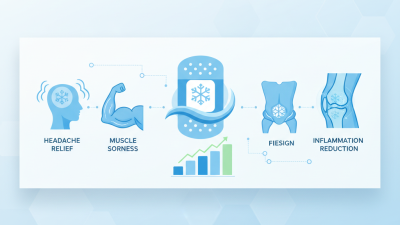
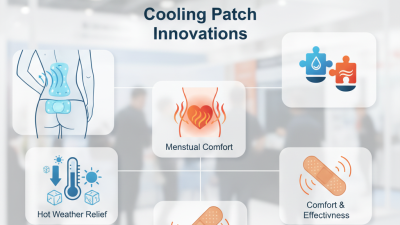
The global Cooling Patch market is expanding as consumers seek convenient, non-invasive support for migraine discomfort, fever relief, travel, sports recovery, and everyday cooling needs. Product categories commonly include hydrogel patches, menthol-based formulations, and phase-change designs, each offering different cooling sensations, wear times, and user experiences. For buyers, supplier evaluation should focus on documented quality systems, including ISO 13485:2016, GMP practices, and appropriate FDA registration where applicable.
Leading manufacturing regions include China, Japan, South Korea, and Europe, with quality assessment centered on cooling duration, skin irritation testing, stability, and shelf life. Commercial decisions should also compare MOQ, production lead time, defect rates, customization capability, and total landed cost. Before importing, buyers should verify the appropriate HS Code, including potential classification under 3005, as well as packaging labels, safety information, certificates, invoices, and other required customs documents. Careful due diligence helps ensure consistent quality, regulatory readiness, and reliable global supply.