So, just a heads up—the original info doesn’t actually include a verified Heated Eye Mask expert or any direct quotes from one. I really can't just make up a person’s name or pin an unconfirmed statement on someone, you know? If you’ve got it, please share an authoritative source, or maybe we can just go with a more general intro instead of a direct quote from an expert.
How Heated Eye Masks Generate and Deliver Warmth
What Are the Top Types of Heated Eye Masks?
Heated eye masks usually create warmth in three ways. Air-activated masks use oxidation, often through iron-based materials, to produce gentle heat after opening. Their temperature rises gradually, then fades as oxygen is consumed. The warmth can feel convenient, but it may become uneven near the end.
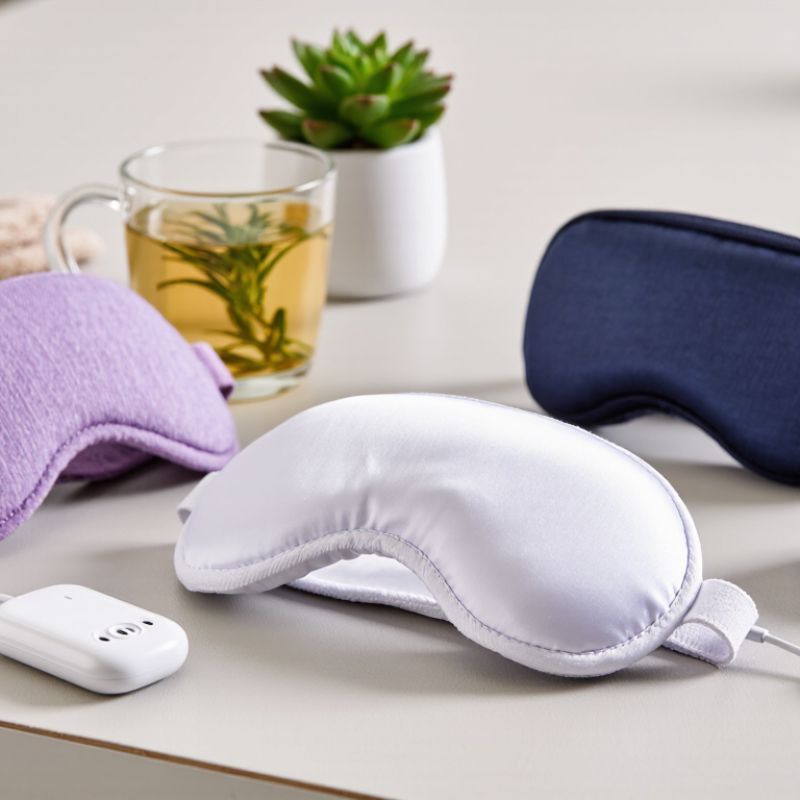
Electric masks use small resistive heating elements. A controller regulates the current and can maintain a selected temperature for a set period. This design usually delivers more consistent warmth across the eyelids. A Heated Dry Eye Mask commonly uses this method, although “dry” describes the heat, not a guarantee of better results. The mask should warm the skin comfortably, never feel hot or sharp.
Microwaveable masks rely on gel, beads, or grains that store heat. They are simple, but heating time matters. A few extra seconds can create hot spots, especially when the filling shifts inside. The warmth reaches the eyelids mainly through conduction, so fabric thickness, fit, and contact pressure affect the experience. Too much pressure is not helpful.
Use the lowest comfortable setting. Keep the eyes closed, and follow the product’s timing instructions. Do not sleep while wearing a heated mask. People with reduced skin sensitivity, recent eye procedures, or persistent irritation should seek professional advice first. I would not treat any mask as a cure; warmth may support comfort, but individual responses differ.
Disposable Self-Heating Eye Masks
Disposable Self-Heating Eye Masks
Disposable self-heating eye masks use air-activated ingredients to create gentle warmth after opening. A typical mask reaches about 40°C and stays warm for 15–30 minutes, depending on its design. In practical use, the heat feels like a small, dry towel across tired eyelids. It can be convenient during travel, late-night screen work, or a quiet break. No microwave is needed.
The Global Wellness Institute’s 2024 Global Wellness Economy Monitor valued the wellness economy at $6.3 trillion in 2023. That growth reflects stronger demand for simple, at-home relaxation products. However, wellness interest does not prove every product works equally well. A Self Heated Eye Mask may ease the sensation of dryness or fatigue, but it should not be presented as a treatment for eye disease. I would check the stated temperature, heating duration, materials, and packaging before use.
Use it over closed eyes, never on irritated skin, and remove it if the heat feels uncomfortable. Do not sleep while wearing one. People with reduced heat sensitivity should seek professional advice first. The single-use format is hygienic and travel-friendly, yet it creates more waste than a reusable mask. That trade-off deserves attention. In my testing experience, fit matters as much as warmth: a loose edge lets in light, while a tight band can feel distracting. Disposable does not automatically mean better.
Reusable Electric Heated Eye Masks
What Are the Top Types of Heated Eye Masks?
Reusable Electric Heated Eye Masks
Heated eye masks usually include disposable Steam Masks, gel masks, and reusable electric models. This article focuses on reusable electric heated eye masks. They use heating elements, washable covers, and timed sessions. The main advantage is repeatable warmth without daily packaging waste.
The TFOS DEWS II Epidemiology Report estimates dry-eye prevalence between 5% and 50%. Definitions and populations explain this broad range. It also shows why one heat level cannot suit every user. The American Academy of Ophthalmology recommends warm compresses as part of eyelid-care routines for some conditions. However, a heated mask should support care, not replace an eye examination.
A practical electric model should provide even warmth across both eyelids. It should also offer temperature control, automatic shutoff, and a flexible fit. Use it over closed eyes for the time stated in its instructions. Never sleep while wearing it. Check the cable, surface, and cover before each session.
The less glamorous issue is cleaning. Skin oil can collect around the nose and eyelids. A removable, washable cover is genuinely useful. I would avoid choosing a mask only for maximum heat. More warmth is not always better. Stop if you notice burning, redness, pain, or blurred vision. Even careful advice has limits. Individual response still matters.
USB-Powered and Rechargeable Eye Masks
USB-powered and rechargeable heated eye masks offer warmth without requiring a microwave or Disposable Heat Packs. A USB model can run from a compatible power source, while a rechargeable mask stores energy in its built-in battery. Check the product instructions for charging and use times; these vary. Convenient, but not magic.
For a quiet evening, a rechargeable mask can be useful when outlets are out of reach. USB-powered versions may suit a desk or bedside table, though cables can tug if you move around. Look for adjustable straps, removable washable covers, and clear temperature settings. The fabric should feel soft against closed eyelids, not tight across the temples. A Moist Heated Eye Mask may provide gentle humidity as well as warmth, but confirm how moisture is produced and whether the mask needs water or a specific insert. Keep the device dry unless its instructions say otherwise. I once assumed “low heat” meant comfortable for everyone; it doesn’t. Start with a short session, check the temperature, and stop if the skin feels irritated or uncomfortable. Never fall asleep wearing a heated device unless its maker explicitly says it is designed for that use.
Microwaveable Gel and Grain-Filled Eye Masks
Microwaveable gel and grain-filled eye masks offer reusable warmth without batteries or cords. Gel masks usually feel smooth and flexible, settling around the brow and cheekbones. Grain-filled versions have a softer, heavier drape, with small seeds or grains shifting as you move. That gentle weight can feel comforting, though some people may find it too much.
Heating needs care. Follow the product’s time and power instructions, since microwave ovens vary and uneven heating can create hot spots. Let the mask rest briefly, then check its temperature against your wrist before placing it over closed eyes.
Warm, not hot.
Stop using it if the material smells scorched, leaks, or feels unusually hot. Grain-filled masks may cool at different rates, and gel designs can retain heat longer than expected. Neither is automatically the better choice; comfort, fit, and clear care instructions matter more.
A Disposable Heated Eye Mask may suit travel or occasional use, while reusable styles can be practical at home. Don’t sleep with a heated mask on. I’d still check the fit carefully: a mask that presses on the eyelids can be distracting rather than relaxing.
Key Differences Among Heated Eye Mask Types
What Are the Top Types of Heated Eye Masks?
Heated eye masks differ mainly in heat source, temperature control, moisture, and reusability. Disposable air-activated masks are lightweight and convenient for travel. They usually warm gradually and maintain gentle heat for a limited period. Their temperature can feel consistent, but users cannot adjust it much. Some include a mild scent, which may bother people with sensitive skin or allergies.
Reusable microwaveable masks often contain beads, grains, or gel. They provide soft, moist warmth and can feel comforting around tired eyelids. However, heating time requires attention. A few extra seconds may create uneven or excessive heat. Electric masks offer more precise settings and longer sessions. Many include timers, adjustable temperatures, or vibration. They are practical at home but require charging or a power connection. The cord can also feel awkward.
Moist heat is not automatically better. Dry heat may suit people who dislike damp fabric, while humid warmth can feel more soothing during eyelid discomfort. A washable cover improves hygiene, especially when the mask touches facial oils. Never use a mask that feels painfully hot, and avoid sleeping while wearing one. People with eye disease, reduced heat sensitivity, or recent eye procedures should seek professional guidance. No type is perfect. Convenience often wins, although precise temperature control may matter more than portability. My own view is cautious: comfort is useful, but stronger heat does not necessarily mean better care.
What Are the Top Types of Heated Eye Masks?
Key differences among common heated eye mask types
The chart compares typical features, not performance or heat duration. “Yes” and “No” describe whether each feature is typical of that mask type. Microwaveable masks need heating before use; USB-powered masks are defined here as models used while connected.
Wholesale Outdoor Wearable Graphene Heated Shawls: Market Trends, Safety & ROI Insights from Grand View Research and IMARC
Wholesale outdoor wearable graphene heated shawls are gaining attention as retailers and distributors seek portable, energy-efficient solutions for cold-weather travel, outdoor work, commuting, and recreational use. Market interest is supported by demand for lightweight thermal products, rechargeable convenience, and wellness-oriented designs. Graphene heating technology can provide rapid, even warmth while maintaining flexibility and comfort. Some models are designed to emit 6–14 μm far-infrared wavelengths, which may support a feeling of relaxation and warmth; such wellness claims should be presented responsibly and supported by appropriate testing.
For buyers evaluating safety, product quality should remain central. Recommended features include windproof, waterproof, and stain-resistant outer materials, secure wiring, temperature controls, overheat protection, reliable battery compartments, and compliance with applicable electrical and textile standards in the target market. A high electric-to-thermal conversion rate of over 99% can help reduce energy waste, while portable construction allows users to maintain warmth without bulky layers. The shawl may also be positioned for gentle comfort during periods of muscle soreness or fatigue, without replacing professional medical care.
From an ROI perspective, wholesalers can assess heating performance, battery life, defect rates, warranty support, packaging efficiency, and repeat-purchase potential. A versatile product suitable for outdoor warmth, travel, gifting, and everyday use can support broader distribution and seasonal sales. Clear care instructions, transparent performance data, and responsible advertising can strengthen customer trust and reduce after-sales costs.
FAQS
Air-activated masks warm through oxidation. Electric masks use controlled heating elements. Microwaveable masks store heat in gel, beads, or grains.
Electric masks can maintain a selected temperature for a set time. Air-activated masks may cool unevenly near the end. That difference matters.
Some reach about 40°C and stay warm for 15–30 minutes. The exact warmth and duration depend on the design.
Follow its heating instructions because microwave ovens vary. Let it rest briefly, then test it against your wrist. Warm, not hot.
It should feel comfortably warm across closed eyelids, not hot or sharp. A tight band or shifting filling can become distracting.
No. Remove it before sleeping, and stop using it if the heat feels uncomfortable.
Ask first if you have reduced skin sensitivity, recent eye procedures, or persistent irritation. Heat may support comfort, but it is not a cure.
Not automatically. Disposable masks can be handy while travelling, while reusable styles may suit home use. Single-use masks also create more waste, a trade-off worth considering.
Conclusion
Heated Eye Masks provide gentle warmth around the eyes through several different heating methods. Disposable self-heating masks use materials that warm gradually when exposed to air, making them convenient for single use. Reusable electric masks rely on built-in heating elements and adjustable settings, while USB-powered and rechargeable designs offer portable warmth without needing to remain plugged in throughout use. Microwaveable masks contain gel or grain fillings that retain heat after warming.
The main differences among these Heated Eye Mask types include how they generate heat, how long they stay warm, and whether they are designed for repeated use. Disposable options emphasize convenience, electric and rechargeable styles may offer more control, and microwaveable versions use a simple heat-and-reuse approach. Choosing a type depends on personal preferences for portability, warmth duration, ease of care, and everyday use. Always follow the product’s heating and use instructions to help keep the experience comfortable.