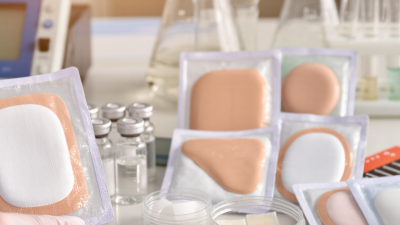
How to Source Menstrual Heat Patches for Global Markets?
So global demand for menstrual comfort products? It’s getting a lot more specialized. Grand View Research valued the global feminine hygiene products market at about USD 23.63 billion in 2023, and its report expects growth to continue through 2030. Menstrual pain is still a big consumer concern. But here’s the tricky part: menstrual heat patch demand is rarely broken out as its own category. That gap in the data means we have to interpret the market carefully. As Dr. Jen Gunter, an obstetrician-gynecologist and author, puts it, “Period pain is not normal.” That line really matters. It points to how much responsible product education we still need. Warming products shouldn’t be treated as medical substitutes. Buyers should look at things like temperature stability, skin-contact materials, adhesive performance, odor, packaging, and the user instructions. Depending on where you sell, the FDA, European Commission, and local authorities may have different requirements. And no, you can’t just assume compliance because a supplier’s brochure says so. If you’re sourcing globally, ask for laboratory reports, batch records, material declarations, and documented quality controls. ISO 13485 certification can add some confidence, but it doesn’t automatically prove every claim. Suppliers should be able to show real experience with heat activation, shelf-life testing, and sensitive-skin applications. I’d also test samples in realistic conditions—travel, humidity, overnight storage. Those little details? They matter. Search behavior often includes phrases like Heat Patch, heating patch, menstrual heat patch, patch heat, heat patch for lower back pain, heat patch back, heat patches for back, heat patches for pain, stick on heat patches, and warming patch. They show demand, yes, but they can also create confusion. A promising product can still fail because of weak instructions, excessive heat, or poor regional positioning. Careful sourcing isn’t perfect. It’s a process of testing, questioning, and improving.
Read more »